
Uxbridge Commercial Roofing and Roof Condition Planning
The Township of Uxbridge has a compact urban area anchored by downtown Brock Street and a Toronto Street commercial corridor that carries national-chain retail, service businesses and plazas. Pioneer Industrial Park, located immediately south of the urban area on Regional Road 47, serves manufacturing and industrial tenants including packaging, chemical processing and specialized manufacturing businesses.
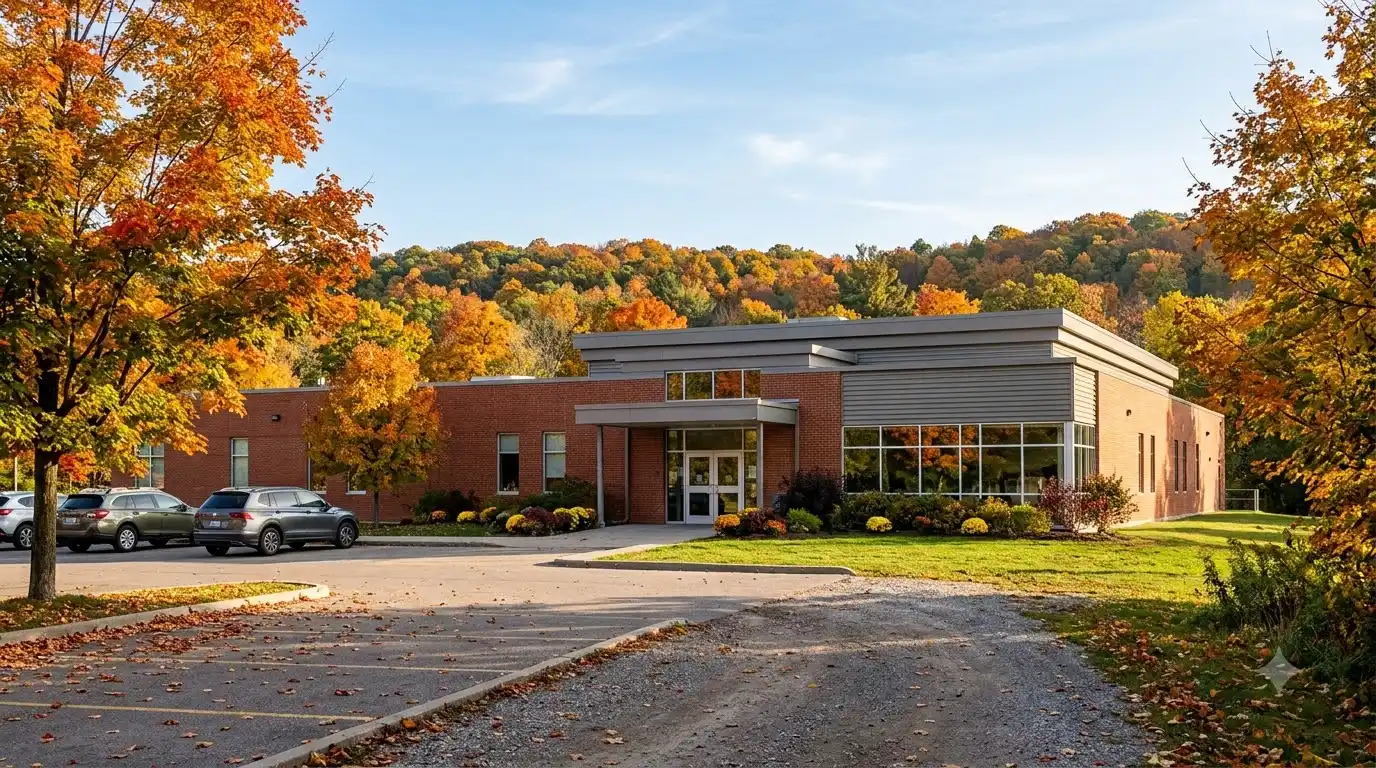
Uxbridge Commercial Roofing Splits Between Industrial, Plaza and Historic Downtown
Pioneer Industrial Park buildings range from smaller light-industrial units to larger manufacturing facilities with significant rooftop mechanical equipment and active outdoor operations. Those buildings have broad low-slope roofs with drainage basins, mechanical curbs and service routes that need to be mapped before investigation or replacement is scoped. Toronto Street South plazas have occupied retail tenants, parking lot access constraints and drainage systems shared across large roof areas. Downtown Brock Street has the most constrained conditions: narrow staging, historic building envelopes, adjoining occupancies and foot traffic that does not stop during roofing work.
Uxbridge serves a growing community with many residents commuting to larger centres, which means the small commercial buildings downtown and along Toronto Street serve everyday community needs with continuous occupancy. Roof work above an occupied pharmacy, diner or medical clinic requires genuine coordination, not a notice slipped under the door the night before. The approach to staging, noise and debris should reflect who is below the roof and how they use the building every day.
Local reference: Township of Uxbridge Official Plan, industrial and commercial planning

Uxbridge Commercial Roofing Services
For low-slope roof construction and membrane planning, see our commercial flat roofing guide.
Uxbridge Leak Investigation Should Account for Building Age and Season
Durham Region's climate, including Uxbridge, sees meaningful freeze-thaw cycling and periodic heavy snowfall events. A leak that appears in March may have been introduced by November's first freeze and worsened progressively through the winter rather than resulting from a single storm event. Older buildings in Uxbridge, including some of the downtown Brock Street commercial stock and early Pioneer Industrial Park buildings, may have repair histories that are not fully documented, making it more important to examine the full drainage basin and wall envelope rather than just the membrane surface directly above the interior symptom.
Pioneer Industrial Park
Divide industrial park roofs into drainage zones and identify equipment service routes before investigating leaks on manufacturing and processing facilities.
Toronto Street commercial corridor
Map tenant units to roof sections on plaza properties and investigate drainage, curb flashings and HVAC penetrations while coordinating around retail operations.
Brock Street and historic downtown
Inspect parapets, masonry interfaces and constrained drainage on older downtown buildings, with careful staging around pedestrian access and adjacent businesses.
Choosing Roof Systems for Uxbridge's Mixed Commercial Building Stock
Uxbridge's industrial park and downtown commercial roofs are small in scale but still need careful detailing. The selection follows the specific building's deck, insulation, vapour control, drainage, attachment, rooftop use and any process-related requirements. Koch-Glitsch Canada's mass transfer equipment and Hela Canada's food ingredients operation are examples of Uxbridge industrial uses where process-specific requirements, chemical compatibility, food safety protocols, restricted work periods, may affect how a roofing project is planned even if the membrane choice itself is straightforward.

Replacement on any Uxbridge commercial building is the opportunity to simplify what is there. Remove abandoned penetrations, rebuild drain sumps that have never drained properly, create walkway pads to equipment that gets serviced regularly, and close out with a roof plan and warranty package that future building managers can actually use. For a smaller Brock Street building that has been owned and operated for decades without a formal roof file, a replacement project that produces those documents for the first time is more valuable in the long run than the marginal difference between two membrane specifications.
Commercial Roofing SystemsPlanning Roofing Work Around Daily Operations
Staging Uxbridge Roofing Around Rural Industrial, Plaza and Downtown Constraints
Pioneer Industrial Park properties typically offer the most staging flexibility: open yards, clear truck access and limited adjacent occupancy. Toronto Street plazas have the opposite challenge: shared parking lots, active retail tenants and delivery traffic that cannot stop for a roofing project. Downtown Brock Street is the most constrained, with sidewalk activity, narrower frontages and historic commercial neighbours who may also be affected by debris, noise or equipment. Define the specific staging conditions for each Uxbridge property before mobilization so the project plan fits the actual site.
Simple, Repeatable Maintenance Works Better Than Complex Programs for Uxbridge Properties
Most Uxbridge commercial buildings are small enough that a complex digital maintenance platform is not the right tool. A simple folder, a dated roof plan, seasonal inspection photographs from consistent positions, a repair log and a note about who has accessed the roof and why, provides most of the value that any maintenance program can deliver. Inspect twice a year at a minimum, add event-driven checks after major winter storms and after any rooftop contractor visit. Clear drains before freeze-up in fall and check drain function and perimeter conditions after spring thaw. That routine, done consistently, catches most of the problems that reactive emergency calls would otherwise produce.
An Uxbridge owner can log repair dates by roof section.
Roof maintenance planningWhere We Work in Uxbridge: Pioneer Industrial Park, Regional Road 47 commercial area and Nearby Commercial Areas
Work in Uxbridge extends to industrial, commercial and institutional properties in Uxbridge, including Pioneer Industrial Park, Toronto Street South commercial corridor, Brock Street downtown and other local commercial and institutional properties. The right roofing plan in Uxbridge depends on the building itself, including drainage, rooftop equipment, access and repair history.
- Employment & commercial districts
- Pioneer Industrial Park · Regional Road 47 commercial area · Uxbridge commercial and light-industrial areas · Highway 47 commercial area · Uxbridge industrial area
- Neighbourhoods & nearby communities
- Downtown Uxbridge, Brock Street · Toronto Street South commercial area · Toronto Street corridor
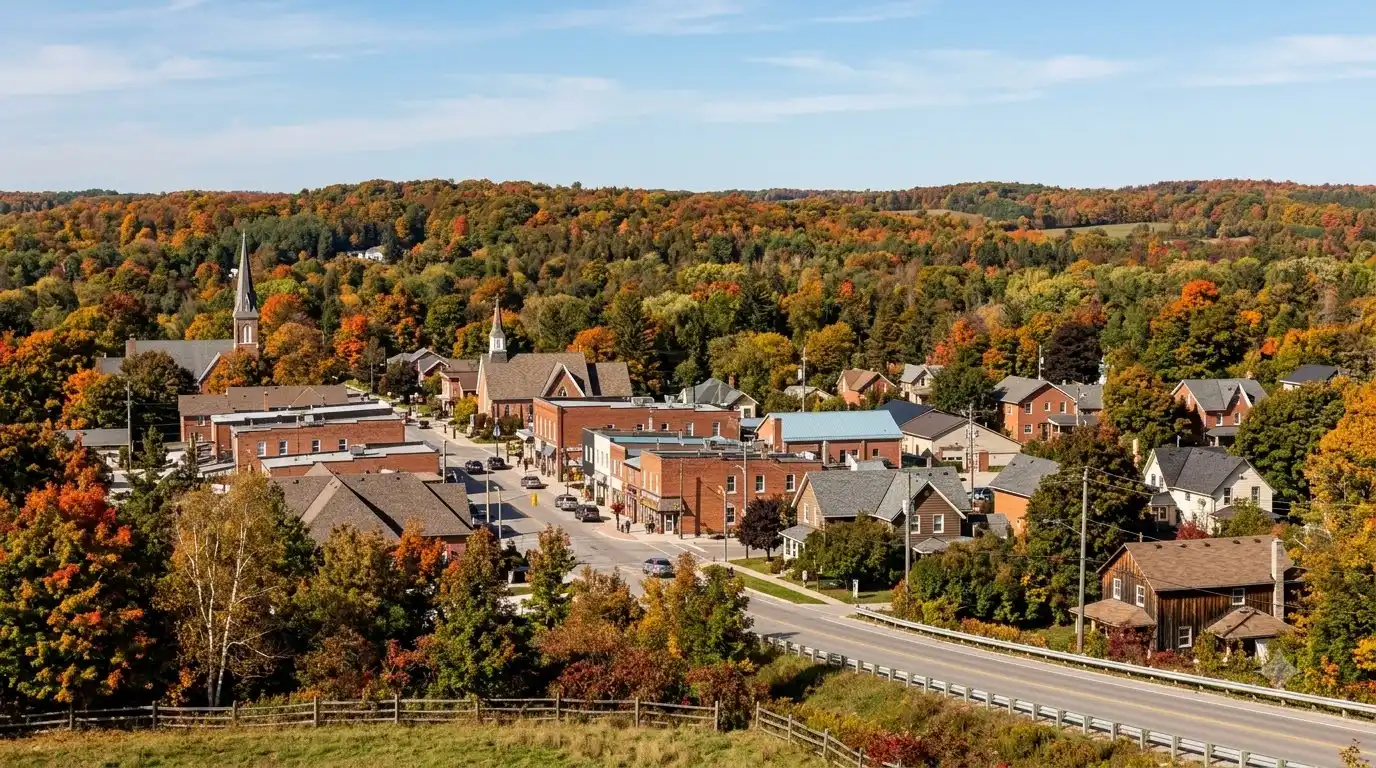
Uxbridge Roof Questions From Local Property Owners
What are the main roofing concerns for a Koch-Glitsch or similar process-equipment manufacturer in Pioneer Industrial Park?
Process equipment manufacturing and similar industrial uses may involve process exhausts, chemical or solvent handling, elevated temperatures from production areas and structural loads from equipment stored on or near the building. The roofing implications are membrane chemical compatibility near exhaust and vent locations, drainage design that can handle condensate or process-related runoff, and access restrictions around production areas during roofing work. The exact requirements depend on the specific process, and the facility manager should provide those constraints before roofing scope is finalized. A standard commercial roofing specification written without knowing the process conditions is incomplete for that type of building.
Can a Brock Street downtown Uxbridge business do a roof repair without scaffolding?
It depends on the building height, the work required and the access available. Single-storey commercial buildings with a flat or low-slope roof accessible by ladder from a secure ground position may not require scaffolding for inspection or limited repair work. Taller buildings or work near parapets and building edges may require fall-arrest systems, scaffold, or a platform lift. The relevant Ontario health and safety requirements govern the decision, not cost preference. Any contractor proposing to do parapet or edge work on a multi-storey Brock Street building without appropriate fall protection is not complying with the Occupational Health and Safety Act. Pedestrian protection below the work area is a separate requirement.
How does freeze-thaw cycling affect an Uxbridge commercial flat roof differently from summer rain?
Summer rain events are brief: the roof gets wet, water moves to drains, the roof dries. Freeze-thaw cycling creates a different dynamic. Water that enters a small seam opening in November can expand as it freezes, progressively widening the opening through multiple freeze-thaw events before it appears inside in March. By the time the leak is noticed, the membrane failure may be larger than the original entry point suggested. This is why fall inspections, before freeze-up, and spring inspections, after the first safe access, both matter for Uxbridge commercial roofs. The fall visit is the opportunity to close small defects before winter amplifies them.
What should a Toronto Street plaza owner do to prepare a commercial roof before winter?
Clear all drains, scuppers and overflow openings of debris, leaves, dirt and granule buildup from adjacent sections. Inspect perimeters, parapets, HVAC curbs and any penetrations added during the summer by mechanical or communications contractors. Repair any open seams or flashing separations that are confirmed. Photograph the drain areas and known vulnerable locations. Establish that overflow drains are not blocked. A drain that is clear in October and freezes shut by December has reduced the roof's ability to manage a major January thaw. That is the single most impactful failure mode on a low-slope commercial roof in Durham Region and it is entirely preventable.
Is an inspection needed on an Uxbridge commercial roof if there have been no leaks for several years?
Yes. The absence of interior leaks does not indicate that the roof is in good condition, it indicates that no water has found a path to the interior visible enough to be reported. Flat roofs can accumulate membrane deterioration, wet insulation and failed details without producing obvious interior signs for years, particularly if the drainage is adequate enough to keep ponding water away from open seams. A leak-free history is a good data point but not a substitute for a documented periodic inspection. On a Durham Region commercial building approaching ten or fifteen years since the last major roof work, an inspection provides the condition baseline that makes future repair and replacement decisions more reliable.
How do Uxbridge owners handle roof leaks over retail stock?
Protect stock first, then document the leak and arrange a temporary repair. Ask the roofer to trace the cause instead of patching the stain. Photograph damage for insurance.
Also Serving Stouffville, Port Perry and Pickering
Ask About Your Uxbridge Commercial Roof
Commercial roofs in Uxbridge serve small industrial and downtown buildings. Share the address and what you see, and we will help you plan.