
Guelph Commercial Solar
Guelph commercial solar planning spans two very different roof environments: newer business parks designed with modern sustainability expectations and older northwest industrial properties with longer repair histories. The right project sequence depends on which roof story the building actually has.
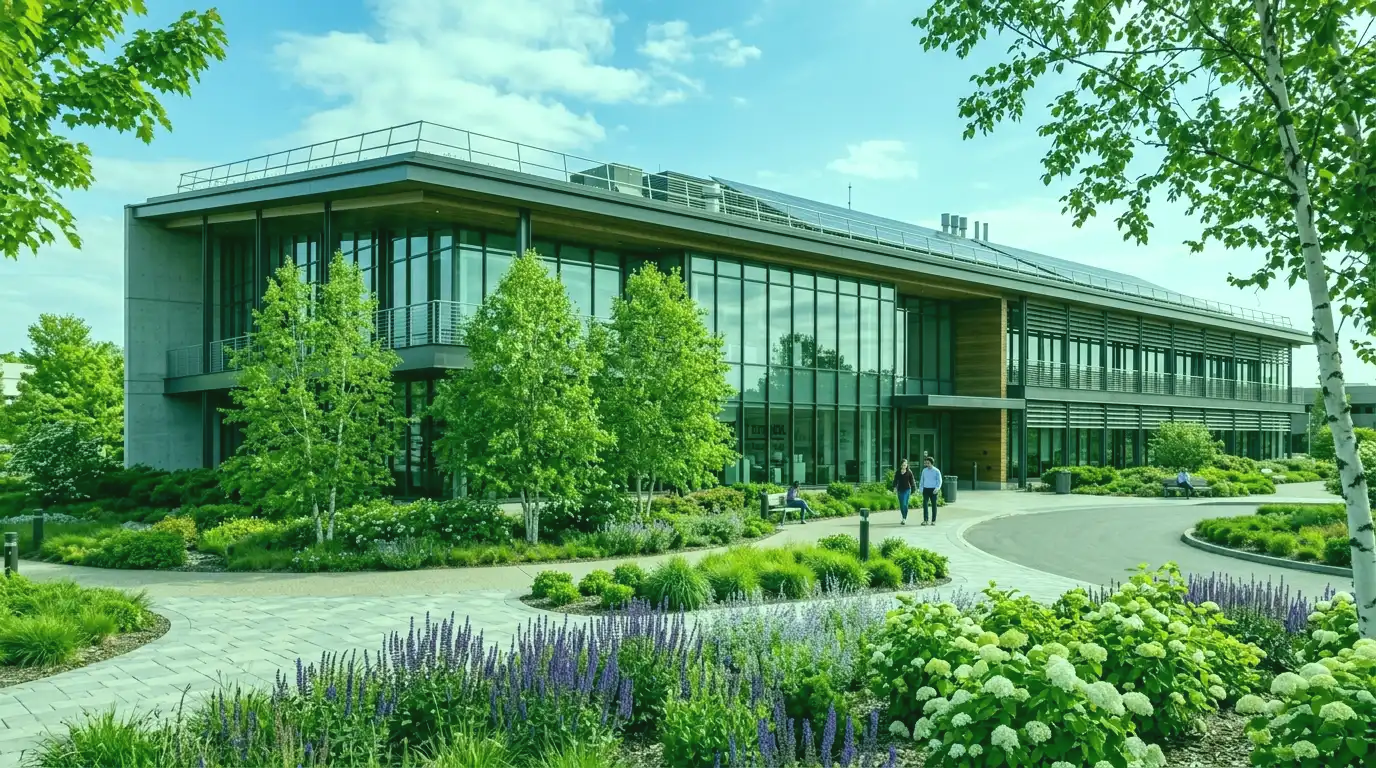
Hanlon-Area Buildings Can Start With Better Records, Not Assumptions
Newer commercial and industrial buildings may have drawings, warranty information and clearer roof histories. That documentation is useful, but the existing membrane still needs a condition baseline before another rooftop trade starts work. The goal is to preserve a record of drains, seams, curbs and any prior repairs.
For a Hanlon-area property with a substantial closeout file, select the documents that describe the roof now: the latest plan, subsequent repair records and the current equipment schedule. Flag older drawings as superseded instead of circulating several conflicting versions to bidders. A controlled document list reduces the chance that a solar concept relies on a drain or service route that has changed.
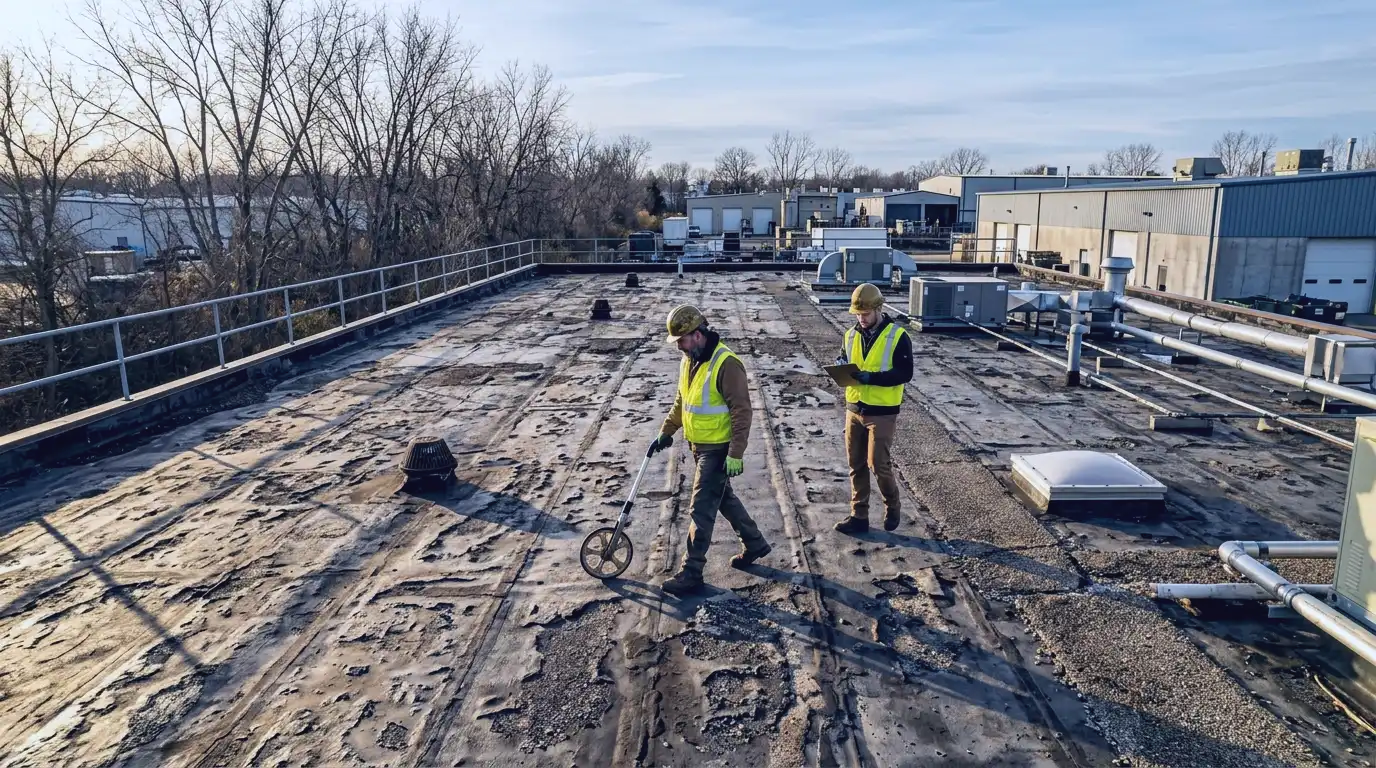
Older Northwest Industrial Roofs Need Lifecycle Clarity
An older plant or warehouse may include multiple additions, recurring repair zones and equipment that has changed over time. Solar planning should distinguish serviceable roof areas from sections that may be closer to replacement.
Installing across both without that distinction can create an avoidable remove-and-reinstall problem later.
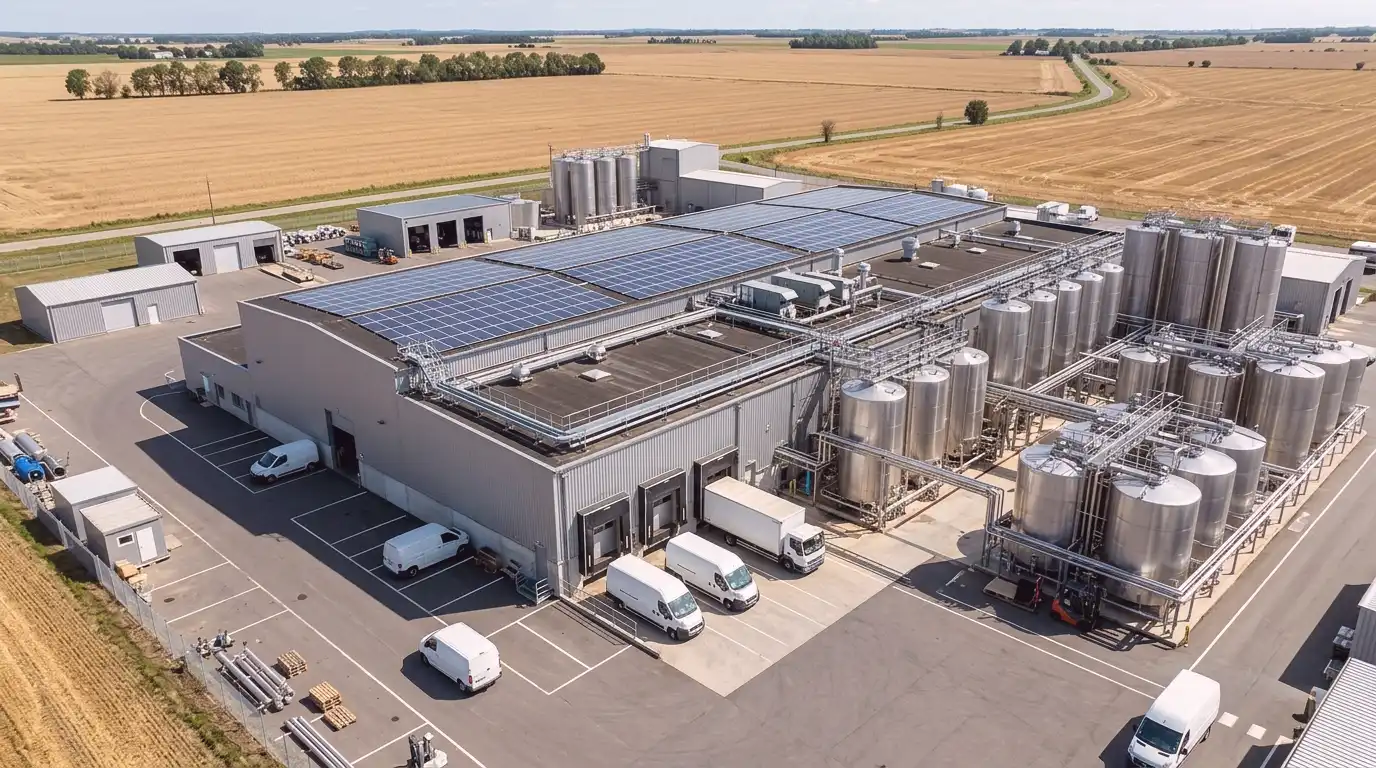
Agri-Food and Manufacturing Buildings Have Active Rooftop Systems
Guelph's manufacturing and agri-food operations can involve exhausts, refrigeration or process-related equipment that requires regular service. The solar layout should preserve working clearances and routes for those technicians while keeping vulnerable membrane areas protected from uncontrolled foot traffic.
Ask the Guelph operating team which rooftop systems support refrigeration or production and how their service visits are arranged. A plan should distinguish ordinary technician access from space needed to replace a major component. Have the equipment and design specialists confirm those requirements, then carry the agreed service areas into the proposed solar footprint before procurement.
Warranty and Documentation Questions Should Be Resolved Early
Where the roof is under warranty, owners should understand notification and rooftop-work requirements before solar contractors begin. The project file should also record any roof modifications made as part of the solar work so future service teams know what changed and when.
Before anyone starts work, agree who to call if a flashing, seam or roof opening needs attention. Keep those contact details with the roof warranty and note who will record any changes. The roof and solar equipment may have different warranty providers, so keep both sets of documents easy to find. That helps the next person managing the building reach the right team without tracing old emails.
Drainage Is Part of the Long-Term Operating Plan
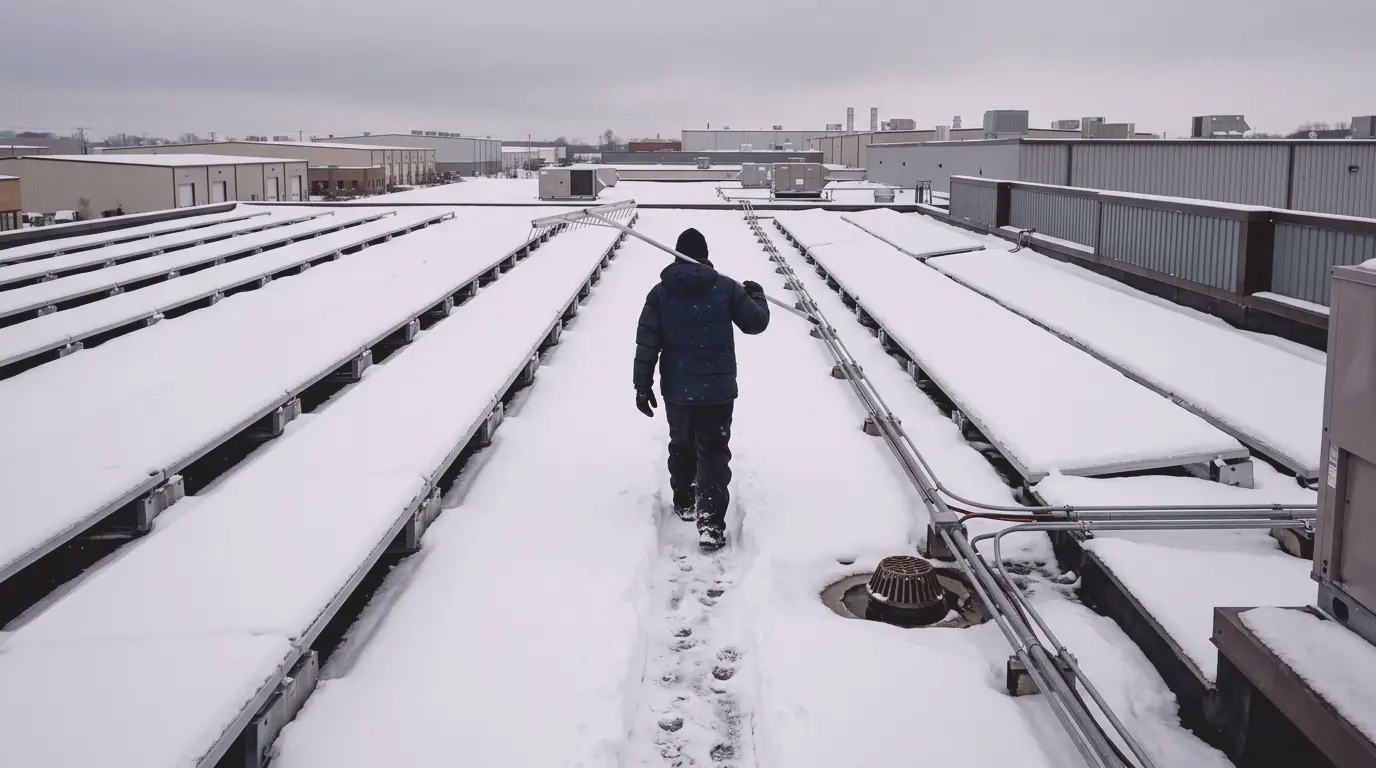
Drains and overflows need clear access after installation, especially on large low-slope roofs where debris or blocked drainage can affect a wide area. Module rows should not hide the evidence that maintenance staff need to see during routine inspections.
For a Guelph owner, the drainage handover should identify inspection locations and how blocked or inaccessible points are reported. Keep a marked plan with the maintenance instructions rather than relying on staff remembering where drains sit beneath a large roof field. Record unresolved drainage observations for follow-up before the array layout is signed off.
Guelph Feasibility Ends With a Site-Specific Sequence
A good review may lead directly to more detailed solar design, or it may show that roof repairs, drainage corrections or section replacement should come first. The useful outcome is not a forced yes. It is a clear next step supported by the building's actual condition.
Decide what has to happen before panels can be planned. A leaking section may need repair first, while a newer section could be ready for the next review. List the unanswered roof, structural, electrical and utility questions, then agree who will follow up on each one. You can then ask for quotes based on the same facts, with fewer surprises hidden in the scope.
Planning references: Ontario Energy Board net-metering guidance
Warranty and Records Before the First Penetration
Before a Guelph owner approves any attachment, gather the roof warranty, product data and repair history. Confirm in writing what solar work is permitted and who must perform roof-related details.
Document the roof's condition with photographs before work begins. A clear baseline makes later leak investigation and responsibility far easier.
Connect Guelph Roof History to Solar Procurement
For a Guelph facility with several operating uses or production additions, begin with a section-by-section roof record rather than a single age estimate. Ask the building team to note repairs, rooftop equipment changes, drainage complaints and any work that could affect future access beneath an array.
When bids arrive, compare the roof assumptions alongside structural, electrical and connection assumptions. If a bidder excludes insulation review, drain work, service routes or the cost of adjusting the layout after a roof repair, record the exclusion clearly. An equivalent comparison is more useful than a price-per-panel shortcut.
Read more: Commercial solar roof readiness Commercial solar feasibility
Guelph Solar Planning Around Manufacturing and Agri-Food Roof Conditions
This page covers Guelph's newer business parks and its older industrial areas, along with agri-food and research buildings whose operations influence what can happen on the roof.
Guelph Questions About Exhaust, Warranty Records and Roof Readiness
Guelph industrial and agri-food buildings bring process exhaust, active equipment and roof-record questions that should be resolved before attachment.
Are newer Guelph business-park roofs automatically solar-ready?
No. They may have better records, but current roof condition, drainage and access still need to be documented. A baseline review is a modest step compared with the cost of correcting a problem beneath an installed array.
Why do manufacturing exhausts matter?
Exhausts can affect usable roof area and service access. Clearances should follow the actual equipment and qualified design requirements, so map every exhaust and intake before estimating how much area is available.
Can roof warranty requirements affect solar planning?
Yes. Owners should review warranty and notification requirements before another trade modifies or works extensively on the roof. Ask the warrantor in writing what rooftop work is permitted and who may perform it.
What happens if one roof section is older than the rest?
Evaluate the sections separately so roofing work and solar installation can be sequenced around their different remaining-life expectations. The older section may need replacement first, while the newer one can host an array sooner.
What affects the cost of solar on a Guelph manufacturing or agri-food roof?
Process exhaust, rooftop equipment, access routes, existing warranty conditions and the electrical path can all change cost. Ask the bidder to show how these are handled and what roof preparation is assumed.
How can a Guelph owner protect an existing roof warranty during solar work?
Ask the roof manufacturer or warrantor what conditions apply to rooftop work and who may perform it. Obtain the answer in writing before signing a solar contract, and request that the solar installer coordinate with an approved roofing trade where required.
Gather Warranty and Process Information Before the First Penetration
Bring warranty documents, repair records, exhaust locations and roof-condition photographs so attachment and maintenance responsibilities are clear.
Guelph Warranty, Exhaust and Roof Details to Bring
- Hanlon-Area Buildings Can Start With Better Records, Not AssumptionsNewer commercial and industrial buildings may have drawings, warranty information and clearer roof histories. That documentation is useful, but the existing membrane…
- Older Northwest Industrial Roofs Need Lifecycle ClarityAn older plant or warehouse may include multiple additions, recurring repair zones and equipment that has changed over time. Solar planning should…
- Agri-Food and Manufacturing Buildings Have Active Rooftop SystemsGuelph's manufacturing and agri-food operations can involve exhausts, refrigeration or process-related equipment that requires regular service. The solar layout should preserve working…