
Windsor Commercial Solar
Windsor commercial solar planning sits in an automotive and advanced-manufacturing market where roof conditions can change as plants retool. Large roofs are attractive, but process exhaust, new penetrations and evolving equipment layouts make a current roof and operations map essential before a long-life solar array is fixed in place.
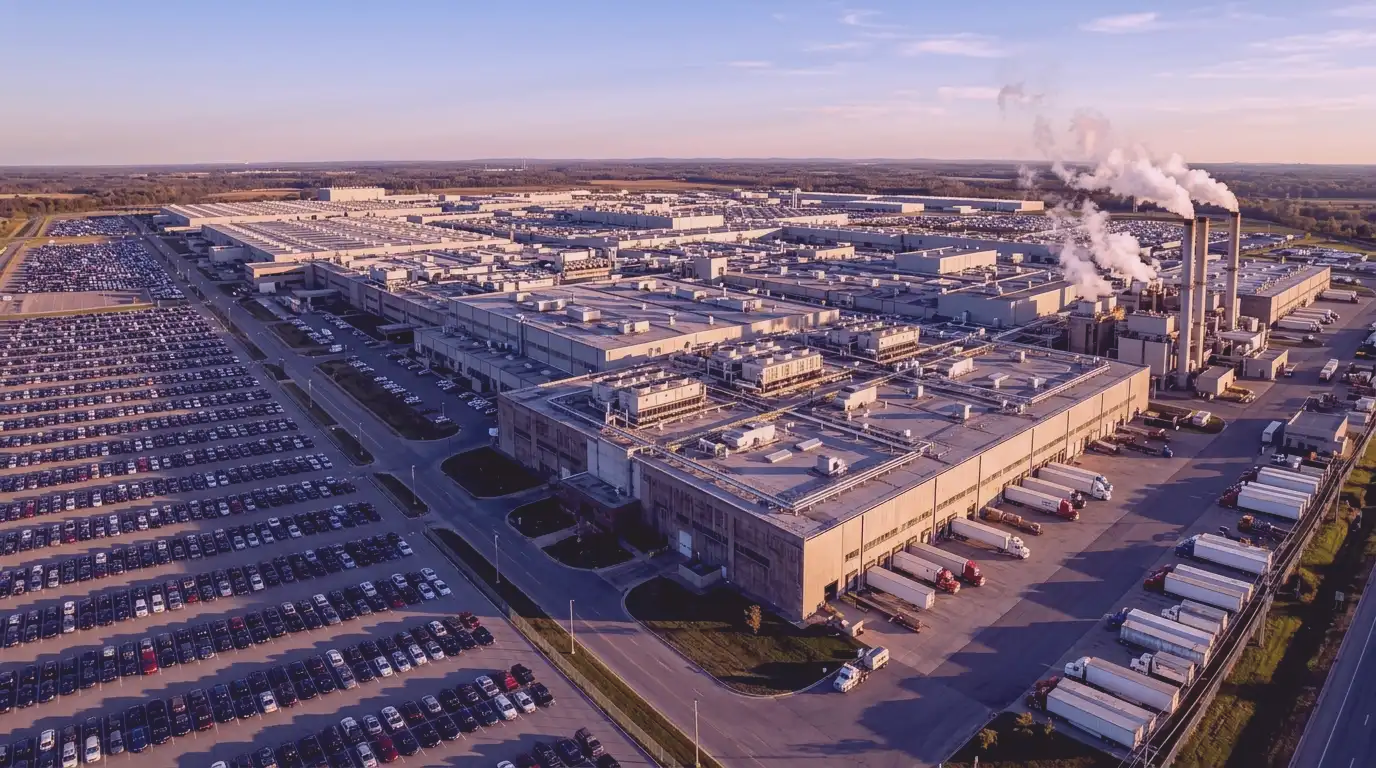
Automotive and Supplier Roof Scale Creates Real Opportunity
Manufacturing and supplier facilities can have broad low-slope roofs with meaningful solar potential. The same scale brings multiple drains, equipment zones and service routes that need to remain functional after installation.
For a Windsor supplier facility, ask operations to distinguish roof areas serving continuous production from those linked to more flexible work zones. Record the systems affected and the contact who can approve an interruption. That information helps the project team evaluate construction access and service arrangements without treating every part of a large plant as operationally interchangeable.
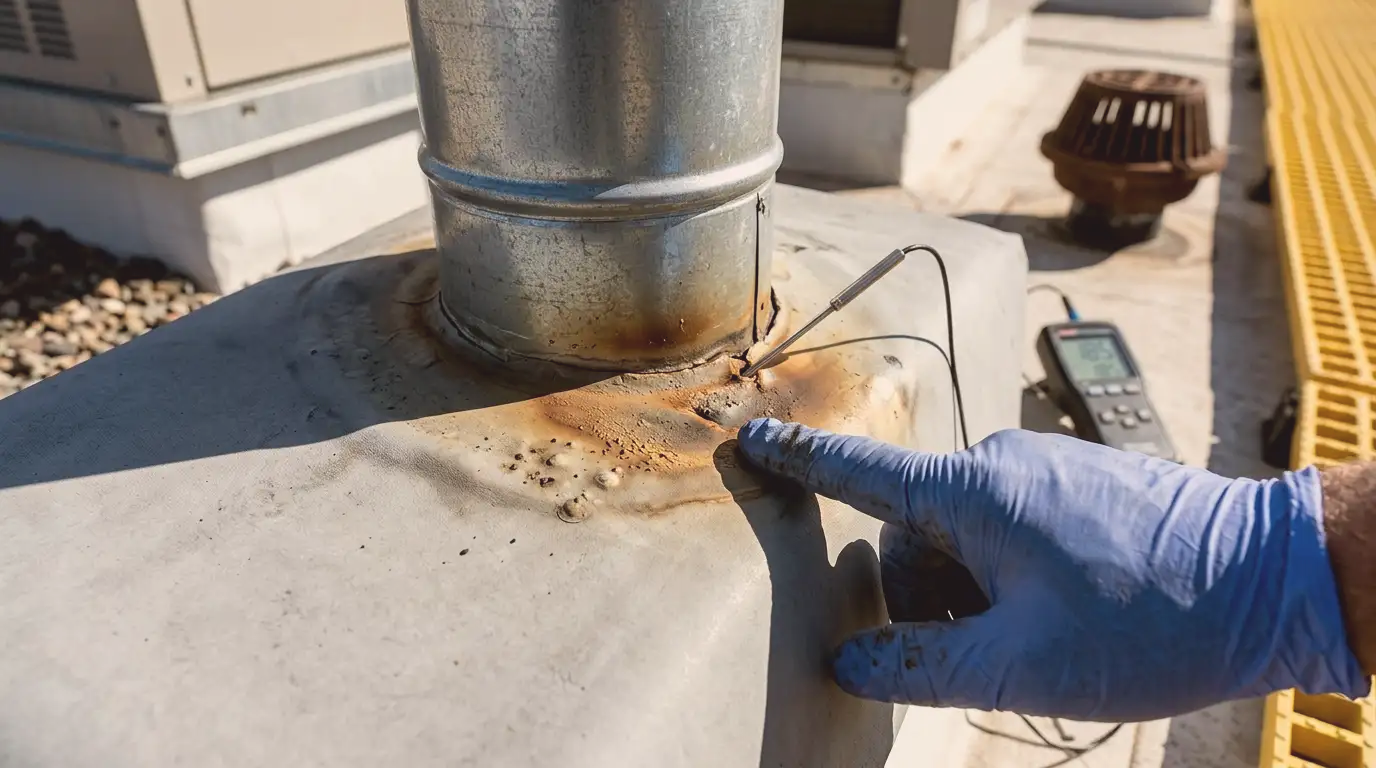
Retooling Can Change the Roof Faster Than the Membrane Ages
A plant may add exhaust, vents, piping or rooftop units as production changes. A solar layout should preserve flexibility for those future modifications instead of occupying every open area that exists on the day of design.
Advanced Manufacturing Benefits From Long-Term Roof Planning
Where the building is expected to remain in service for decades, the solar and roof lifecycles should be compared deliberately. A later-life roof may need renewal first; a newer roof should be documented and protected so the solar work does not create premature roofing problems.
Ask the Windsor owner to compare available roof records with the plant's current capital plan, including any scheduled reroofing or production change. Identify decisions that are confirmed and those still provisional. The solar concept can then state which roof areas depend on further work, allowing procurement to proceed with visible conditions rather than an assumed single building-wide readiness date.
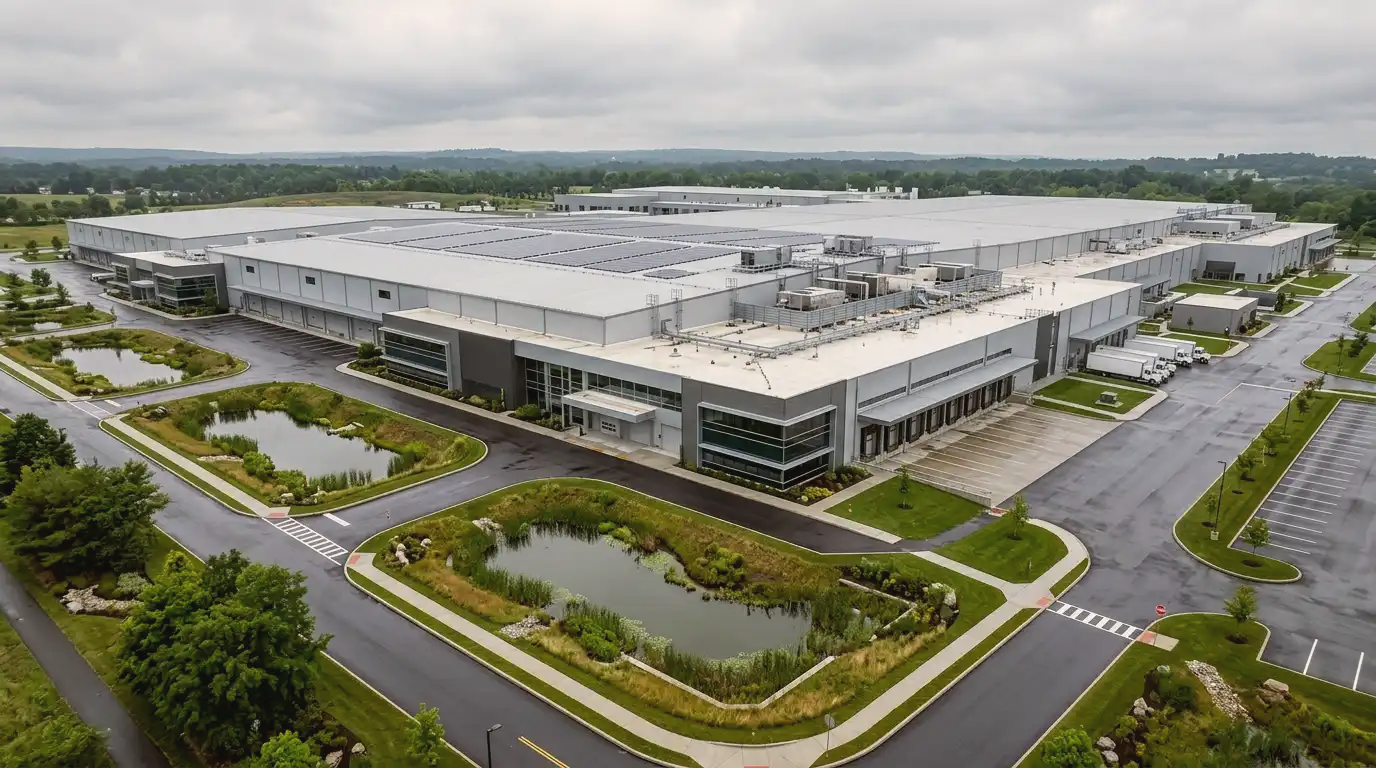
Changing Penetrations Need a Clear Service Strategy
Existing curbs and penetrations should be mapped, and the owner should have a process for documenting future additions. That record helps roofers and facility staff understand what changed after the original solar layout.
Wind, Winter and Service Access Still Matter
Windsor's climate differs from central and northern Ontario, but roof edges, wind exposure, winter drainage and safe service routes remain design and maintenance considerations. Project-specific structural requirements must be confirmed by qualified professionals.
For a Windsor maintenance plan, distinguish routine observations from findings that need specialist review, and identify how each is reported. Retain the marked roof locations and follow-up actions after a service visit so the next team can find the same issue. This creates a usable operating record while leaving structural, wind and safe-access requirements to the qualified project professionals.

ENWIN and Utility Context Must Be Confirmed for the Address
Many Windsor properties may involve ENWIN, but the applicable utility and current connection requirements should be verified for the specific site. Feasibility should not rely on a citywide assumption when utility boundaries and project requirements can vary.
Planning references: Ontario Energy Board net-metering guidance
Large Manufacturing Roofs Need a Continuity Plan for Construction and Service
Windsor industrial sites may run shifts, move parts continuously and depend on secured loading areas. The solar project should identify staging, hoisting, interior-sensitive zones and roof access before the installation schedule is fixed. A technically workable rooftop layout is not a complete project if it interrupts the plant in ways the operation cannot accept.
Long-term service deserves the same attention. Drains, roof edges, process equipment and membrane transitions should remain reachable without dismantling more of the array than necessary. That approach supports both the solar asset and the building that must continue operating beneath it through future maintenance, retooling and roofing work.
Designing for the Next Retool
Before laying out an array, ask plant planners which roof areas may see new penetrations or equipment.
Place the array where it will remain useful and document the plan so later changes can adjust it.
Coordinate Windsor Solar With Manufacturing Changeovers
A Windsor manufacturing roof may look unchanged while its operating requirements change with production or equipment upgrades. Ask the facility team about planned rooftop exhaust, new electrical loads, crane routes and shutdown windows before treating the current roof as a fixed solar layout.
Create a roof-zone schedule recording membrane condition, roof access, drainage and each area that may need future work. Compare solar staging and connection decisions against that schedule and any upcoming retooling. A technical reviewer should confirm structural and electrical suitability, not infer it from roof size or a building photograph.
Read more: Commercial solar roof readiness Commercial solar feasibility
Windsor Solar Planning for Manufacturing Roofs That Keep Evolving
This page speaks to Windsor's automotive and advanced-manufacturing roofs, where retooling can change the roof faster than the solar plan.
Windsor Questions About Retooling, Process Loads and Long-Term Roof Access
Windsor manufacturing roofs can change faster than the membrane ages, so equipment moves and future electrical loads belong in the solar plan.
Does plant retooling affect solar layout?
Yes. Future exhaust, equipment or penetrations can compete with fixed solar areas, so the layout should preserve practical flexibility. Ask plant planners which roof areas may change before fixing the array location.
Should a Windsor manufacturing roof be replaced before solar?
Only when its current condition and remaining life indicate that roofing work should precede the solar project. A condition review answers this better than the age of the building.
Is ENWIN automatically the utility for every Windsor-area project?
Confirm the utility for the exact address before final connection assumptions are made. Service territories are address-specific, so do not rely on the city name alone.
Can large manufacturing roofs still have limited usable area?
Yes. Equipment, drains, service routes, structural requirements and future operational changes can reduce or reshape the practical solar field. The gross roof area is rarely the usable area.
How should a Windsor manufacturer plan solar around retooling?
Identify areas likely to change and keep arrays away from them or design for later relocation. Ask the bidder how equipment moves would be handled and what they would cost.
What utility questions should a Windsor owner confirm before solar design?
Ask the local utility for current connection requirements for the address and have an electrician review the service. Early answers prevent redesign.
Design the Windsor Layout for the Next Retool, Not Only Today
Bring retooling plans, future load expectations, roof records and equipment zones so the array stays useful as the plant changes.
Windsor Retooling and Roof Information to Share
- Automotive and Supplier Roof Scale Creates Real OpportunityManufacturing and supplier facilities can have broad low-slope roofs with meaningful solar potential. The same scale brings multiple drains, equipment zones and…
- Retooling Can Change the Roof Faster Than the Membrane AgesA plant may add exhaust, vents, piping or rooftop units as production changes. A solar layout should preserve flexibility for those future…
- Advanced Manufacturing Benefits From Long-Term Roof PlanningWhere the building is expected to remain in service for decades, the solar and roof lifecycles should be compared deliberately. A later-life…