
Sault Ste. Marie Commercial Roofing for Winter Exposure
Sault Ste. Marie is a northern industrial and regional-service centre with a property mix that ranges from major steel processing facilities and Wood Park Court light industrial buildings to Great Northern Road retail and big-box commercial properties, downtown institutional and community buildings, and everything in between.
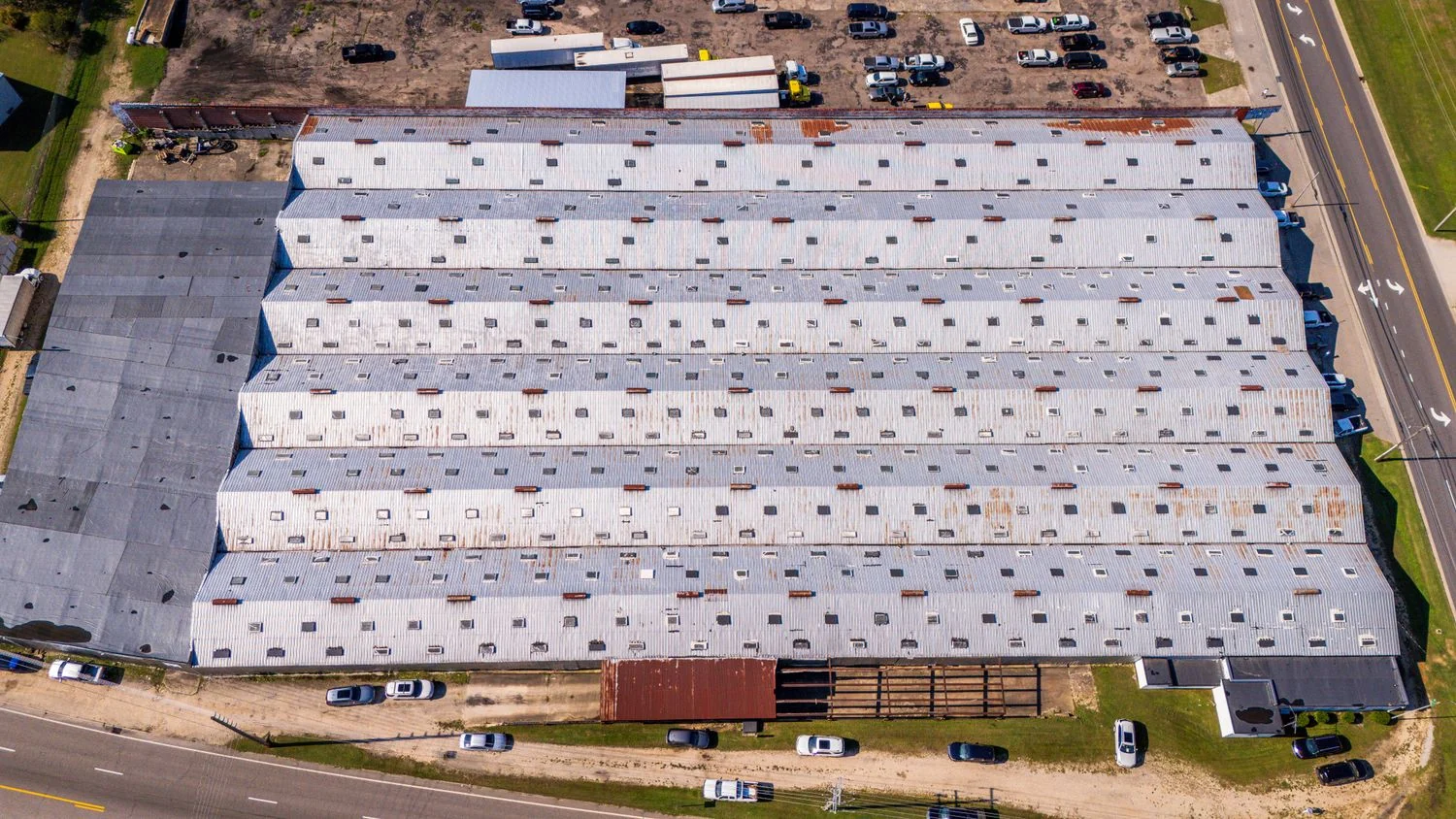
Sault Ste. Marie Roof Management Needs Actual Building Evidence, Not Northern-Climate Assumptions
The fact that Sault Ste. Marie has demanding winters does not mean every commercial roof failure is weather-driven, and it does not mean structural snow-load concerns should be inferred from a visual membrane inspection. It does mean that drainage performance is more consequential here than in a milder climate, a drain that flows slowly in summer may become completely blocked under winter conditions, holding water against flashings and curbs for extended periods. That risk deserves attention in both design and maintenance.
A practical roof condition file for a Sault Ste. Marie commercial property should identify sections, basins, equipment zones, drains, perimeter conditions and previous repairs, then compare them over time. After winter, note what changed: which drain screens filled and weren't cleared, which perimeter flashings shifted, which areas drained slowly after thaw. If there's a structural concern about snow loading or deck capacity, refer it to a qualified structural professional, a roofing inspection of the membrane is not the right basis for a structural conclusion.
Local reference: City of Sault Ste. Marie economic development and industrial land information
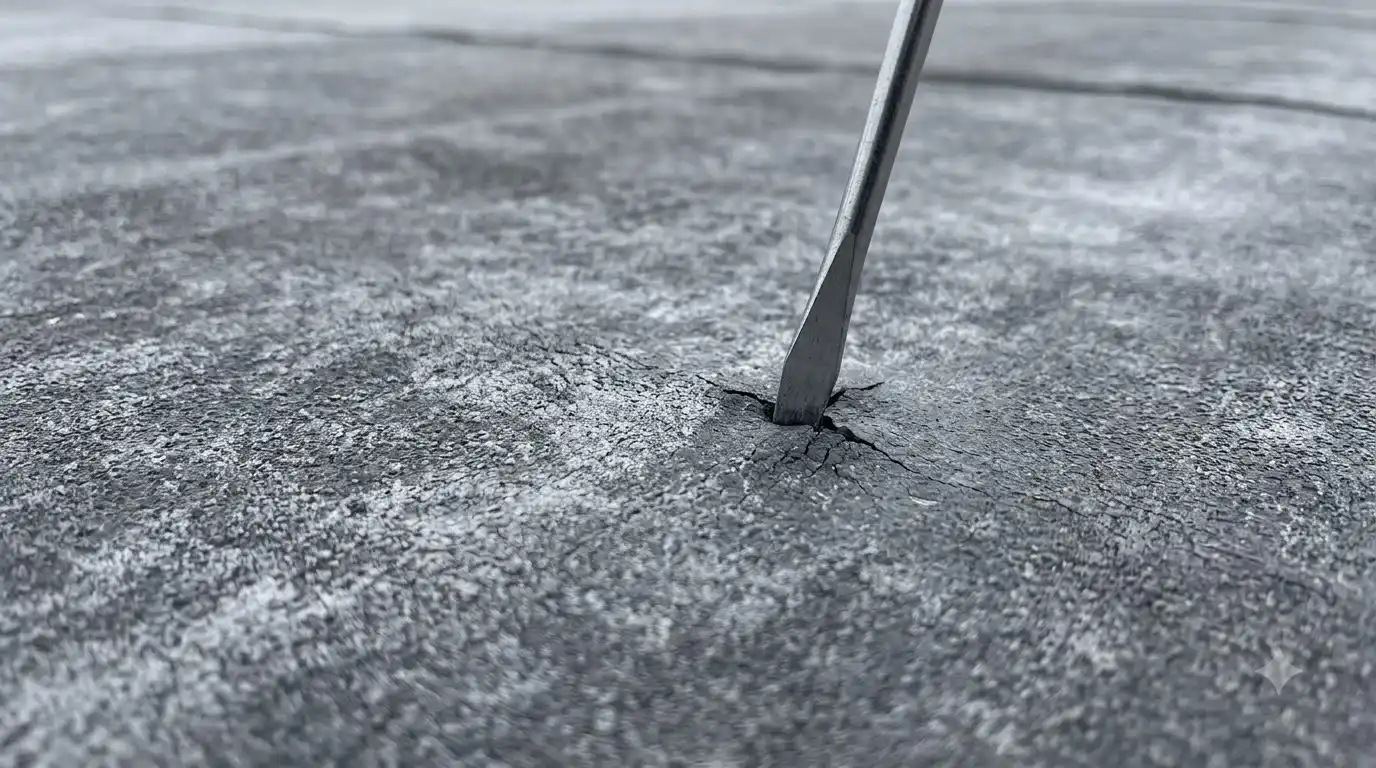
Sault Ste. Marie Commercial Roofing Services
For low-slope roof construction and membrane planning, see our commercial flat roofing guide.
Sault Ste. Marie Leak Timing Tells You Which Failure Mechanism to Investigate First
A leak that appears during a mid-winter thaw, when surrounding drains are still partially frozen, points toward drainage and ponding against perimeter details. A leak during a summer storm from a consistent compass direction suggests wind exposure at parapets, copings or walls. A leak that shows up in the same interior location every spring, even after previous repairs, indicates that the water path was not fully traced and the repair addressed only part of it. Record the event that triggers each complaint and inspect the corresponding basin, rather than working outward from whatever membrane defect is easiest to reach.
Industrial Park and Yates Avenue buildings
Divide large roofs into named sections and drainage zones so post-winter findings stay organized and repeating problems are traceable across seasons.
Great Northern Road and Second Line commercial roofs
Coordinate leak investigations with customer-access routes and parking so commercial retail and service buildings don't lose business during repair work.
Northern freeze-thaw transition periods
Use spring thaw as the primary diagnostic window, post-winter conditions reveal drainage blockage, perimeter movement and accumulated damage most clearly.
Choose Sault Ste. Marie Roof Assemblies Based on Building Conditions, Not Climate Generalizations
In Sault Ste. Marie, northern winters shape every flat-roof decision, from drainage to repair timing. Each has been successfully installed in cold climates when the assembly is correctly specified for the deck, insulation, vapour control, attachment, drainage and perimeter conditions at the specific property. There is no single membrane type that is categorically correct for Sault Ste. Marie. The right starting point is the building itself.
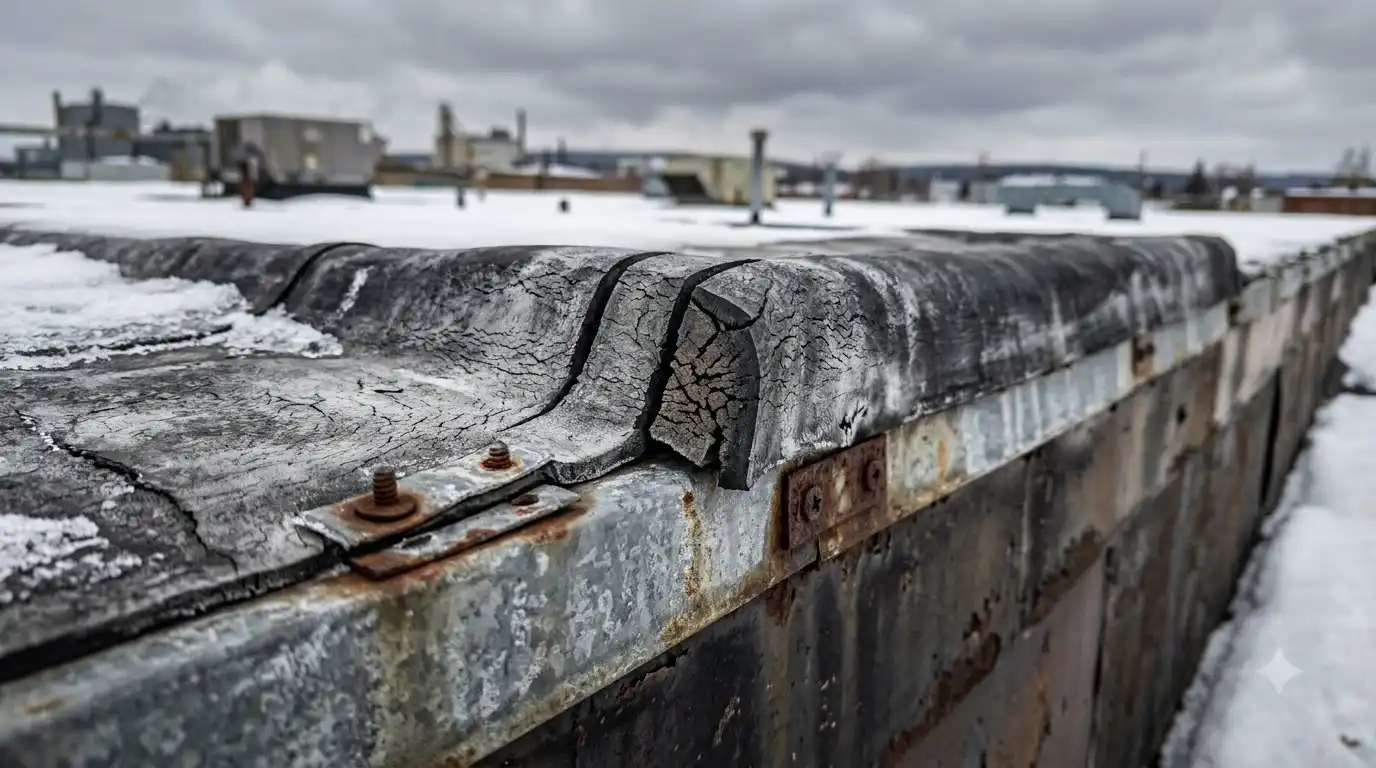
During replacement, correct drainage deficiencies where possible rather than simply resurfacing the old geometry. Remove abandoned penetrations, rebuild drain sumps, replace deteriorated perimeter edge metal and establish clear service paths to mechanical equipment. Keeping drains and critical details accessible is especially valuable when future service windows may be limited by weather or access constraints. A replacement that anticipates the next twenty years of maintenance is more valuable than one that simply looks new.
Commercial Roofing SystemsPlanning Roofing Work Around Daily Operations
Plan Sault Ste. Marie Roofing for Shorter Weather Windows and Specific Site Requirements
Production planning matters more in a northern climate because the window for certain types of work is genuinely shorter. Define daily watertight limits realistically and avoid opening more roof than can be protected by end-of-shift. For larger industrial or institutional projects, coordinate with the building's heating, drainage and fire systems so roof work doesn't leave an occupied facility exposed to conditions it can't manage. For retail and commercial sites on Great Northern Road or Second Line, identify customer and employee routes, parking and air intakes before mobilization.
Spring and Fall Inspections Are the Foundation of Good Sault Ste. Marie Roof Management
A post-winter review identifies what the season changed: which drain screens filled and weren't cleared, which edge flashings shifted, which repair areas from the previous year are still holding. A fall review clears debris before freeze-up and checks conditions that might become a problem once the temperature drops. Both visits should produce a dated photograph set of drains, perimeters and any previous repairs. That comparison record, not a single inspection in isolation, is what allows owners to distinguish ongoing deterioration from a one-time storm event.
Snow events, thaw dates and the leaks that followed make a useful winter record for a Sault Ste. Marie roof.
Roof maintenance planningRoofing Coverage Across Industrial Park Crescent, Yates Avenue industrial area and the Wider Sault Ste. Marie Area
Our Sault Ste. Marie coverage spans commercial and institutional properties around Industrial Park Crescent, Yates Avenue, Wood Park Court, Great Northern Road and Second Line, Downtown Sault Ste. Marie and other industrial, institutional and commercial locations.
- Employment & commercial districts
- Industrial Park Crescent · Yates Avenue industrial area · Wood Park Court industrial area · Great Northern Road and Second Line commercial corridor · Leigh's Bay Road Industrial Area · Great Northern Road commercial-industrial area
- Neighbourhoods & nearby communities
- Downtown Sault Ste. Marie · Sault Ste. Marie waterfront · Great Northern Road and Second Line area
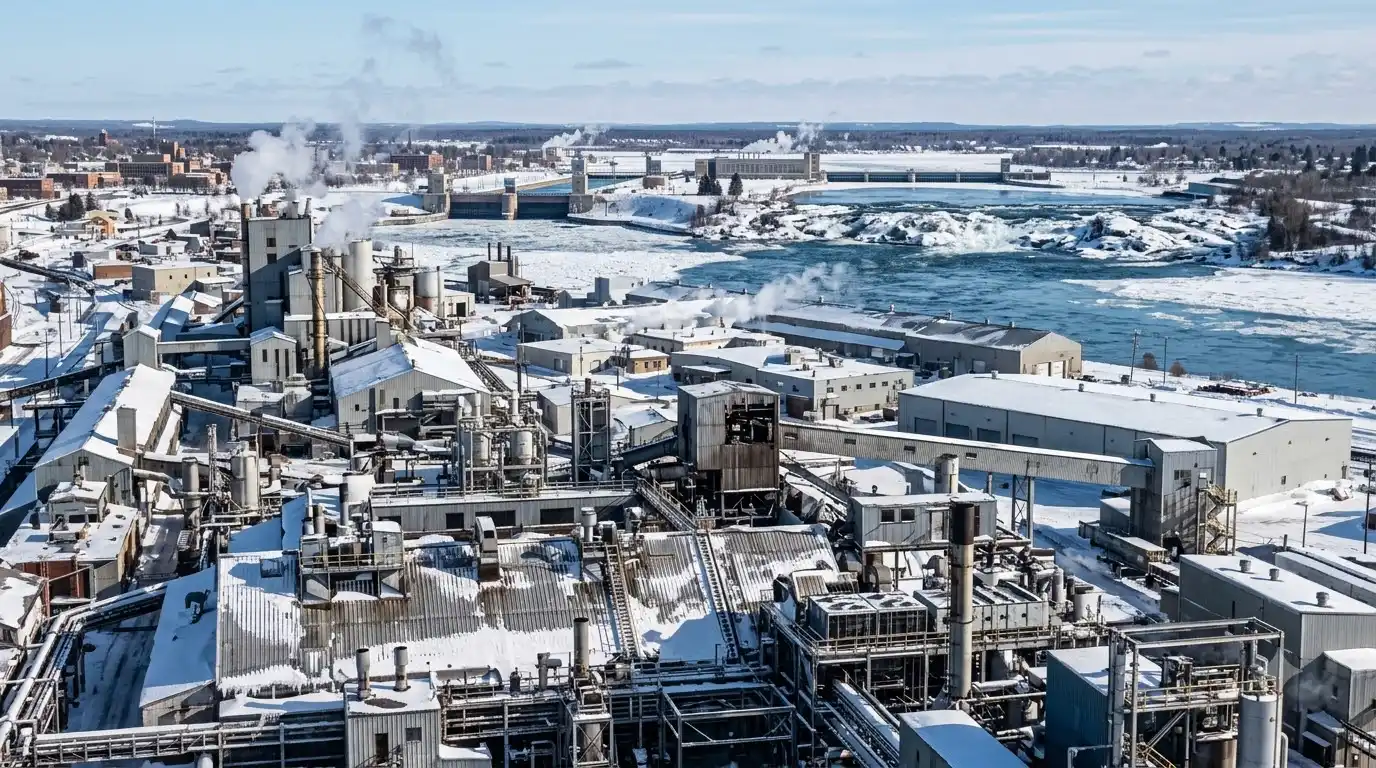
Sault Ste. Marie Roof Questions About Northern Loads and Access
Our Sault Ste. Marie industrial building has never had its roof formally inspected. Where do we start?
Start with a baseline condition assessment that maps the roof by section and drainage basin, identifies every drain and overflow, records all visible penetrations and curbs, notes any repairs that are evident, and photographs each area from consistent reference points. The result isn't just a report of what's wrong, it's a starting record that every future inspection and repair can be compared against. Without that baseline, subsequent service visits have no context, and recurring problems are hard to distinguish from new ones.
Is it true that some roof repairs can't be done during a Sault Ste. Marie winter?
Some permanent repair methods have temperature and moisture requirements that winter conditions may not reliably meet. Cold-applied adhesives, certain heat-welded details and new membrane installation all have manufacturer-specified minimum temperatures. That doesn't mean all winter work is impossible, emergency stabilization, temporary sealing, clearing blocked drains and inspecting accessible conditions can all be done safely. The important thing is that any winter work be documented clearly as temporary or permanent so follow-up can be scheduled appropriately rather than forgotten once the ceiling stops dripping.
We have a large commercial building on Great Northern Road. How do we handle reroofing without disrupting customers and parking?
The staging plan needs to be built around the property's actual customer traffic patterns, which entrances matter most, when the parking lot is at peak capacity, where air intakes are located. Generally this means material delivery and hoisting are planned for early morning before peak hours, customer-side work areas are kept as small as possible, and the ground plan protects walking routes throughout the project. These aren't unusual logistics for an experienced commercial roofing contractor, but they need to be established before work begins, not improvised each day based on where customers happen to be.
Who should we contact if we're concerned about whether our Sault Ste. Marie building can handle heavy snow loads?
A structural engineer is the right professional for a snow-load concern, not a roofing contractor. The engineer will review the structural drawings, inspect the framing and deck, consider the actual snow-accumulation pattern at your location and assess whether the building's capacity is adequate. A roofer can describe what the membrane looks like and whether the drain screen is clear, but cannot determine from the roof surface whether the structure below it is safe under winter loading. If you have a genuine structural concern, act on it with appropriate expertise.
What should a Sault Ste. Marie property owner do if a roof repair area from last spring is starting to look different?
Photograph the current condition and compare it against the repair documentation from last spring if you have it. If the repair area has changed, the membrane looks raised, a seam has opened slightly, water is sitting nearby after rain, schedule an inspection before winter rather than waiting for the next routine visit. A developing problem that's caught in October is far easier and less expensive to address properly than one that's been under snow for six months. The willingness to investigate early changes rather than waiting for ceiling evidence is the habit that separates well-managed roofs from expensive surprises.
How should a Sault Ste. Marie owner prepare a flat roof for winter?
Clear drains, check flashings and fix known defects before snow arrives. Confirm structural capacity if drifting is likely. Plan safe snow-removal methods that avoid cutting the membrane.
Our Northern Coverage Also Reaches Sudbury and North Bay
Start the Sault Ste. Marie Roof Conversation
Northern winters are tough on flat roofs. Give us the address and the problem, and we will help you decide what to do first.